
Why Are Pests More Active in Summer?
Overview: Reasons for Increased Pest Activity in Summer

Summer is the time when many pests become more active around our homes and gardens. This happens because several things come together: warm weather, plenty of food, moisture, and changes in how people behave. Because of these conditions, summer is often considered the season for pests, when infestations are more likely to occur.
Several environmental and behavioural factors contribute to this increase in pest activity, including:
1. Warm Temperatures
Many pests, especially insects, are cold-blooded. This means their body temperature and activity levels depend on the surrounding environment. When temperatures rise in summer, their metabolism speeds up.
As a result, pests move more, eat more, and reproduce more frequently. Warm weather also helps eggs hatch faster and allows pests to mature more quickly. Because of these faster life cycles, many pest species thrive in summer, producing multiple generations in a single season.
2. Abundant Food and Water Sources
Summer provides plenty of food for pests. Flowers bloom, fruits ripen, and people spend more time outdoors enjoying meals and gatherings.
Barbecues, picnics, and outdoor dining often leave behind food crumbs and sugary drinks that attract insects around homes and gardens. Standing water from rain, birdbaths, plant saucers, gutters, and pet bowls also creates breeding sites for pests that depend on moisture.
Warm weather combined with available resources creates ideal breeding conditions for many common household pests.
3. Longer Daylight Hours
During summer, daylight hours are longer, giving pests more time to search for food, build nests, and reproduce.
Insects such as bees and wasps take advantage of these longer days to forage and expand their colonies. Some insects even use changes in daylight as a signal to begin mating or swarming.
The additional activity time allows pest populations to grow more quickly.
4. Higher Humidity and Moisture
Summer weather often brings higher humidity levels, which means the air holds more moisture. Many pests depend on moist environments to survive.
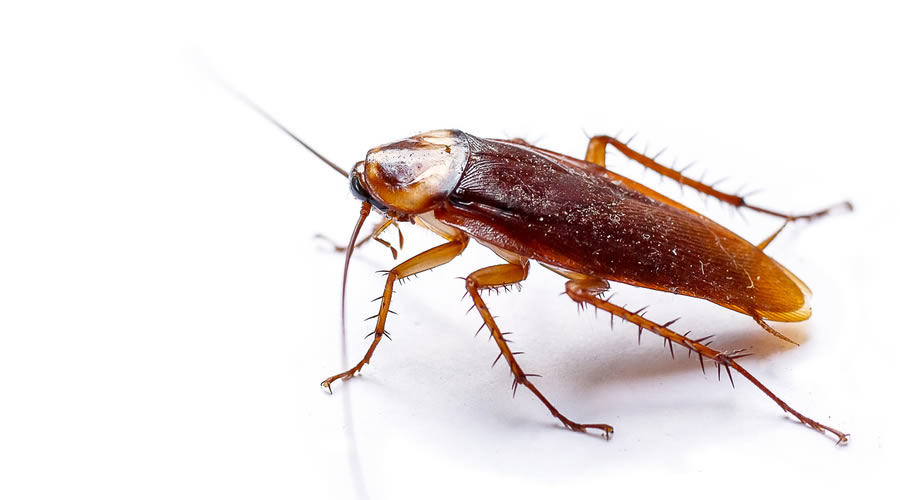
Soft-bodied pests like termites and cockroaches are less likely to dry out when humidity is high. Damp soil and wood also make it easier for termites to tunnel and build colonies.
Moist environments also encourage the growth of mould and fungi, which attract pests like silverfish and other moisture-loving insects.
Common Summer Pests in Australia and How to Prevent Them
Some of the most common summer pests found in Australia include flies, cockroaches, wasps, termites, spiders, fleas, silverfish, bees, rodents, and other insects. These pests can be found both outdoors and inside homes.
Understanding their behaviour can help homeowners take steps to prevent infestations.
Flying Termites
Flying termites, also known as alates, emerge during warm and humid conditions to mate and start new colonies. These swarms usually occur after rainfall during hot weather.
Seeing flying termites often means a mature termite colony is nearby, which could pose a risk to wooden structures if not treated quickly.
Ants
Colonies grow rapidly during summer and worker insects travel further from the nest in search of resources. Leftover meals from outdoor gatherings can easily attract ants into homes.
Once they find a reliable supply, ants often create visible trails between their nest and the location where resources are found.
Mosquitoes
Mosquitoes reproduce in standing water. Even small amounts of water in containers, clogged gutters, plant saucers, or buckets can become breeding sites.
In warm conditions, eggs can hatch within just a few days, quickly increasing insect populations around homes and gardens.
Rodents
Rodents such as rats and mice tend to reproduce more frequently during warmer months when food sources are plentiful.
Outdoor activities and poorly stored scraps can attract rodents closer to homes, increasing the risk of infestation.
Human Behaviour Driving the Increase in Insect Activity
Human behaviour during summer can unintentionally encourage pests.
People often leave windows and doors open for ventilation, which makes it easier for insects and rodents to enter homes. Outdoor storage of firewood, garden tools, and compost can also create shelter for pests.
Gardening, watering plants, and maintaining compost piles can produce moist environments that attract insects and other pests.
General Pest Control Tips: Prevention and Control Strategies
To reduce pest problems during summer, consider these practical pest prevention strategies:
- Seal cracks, gaps, and holes where pests can enter your home.
- Remove standing water by emptying containers and fixing leaks.
- Store food and rubbish in sealed containers.
- Clean up food crumbs and spills quickly, especially after outdoor meals.
- Trim bushes, plants, and tree branches near your home.
- Regularly inspect areas where pests are commonly found.
Taking preventative action early can significantly reduce pest infestations during peak summer months.
Seasonal Pest Control Planning
Starting pest control early in spring or at the beginning of summer can help prevent pests from becoming a serious problem later in the season.
Regular inspections and preventative treatments can help manage pest populations before they multiply rapidly.
Professional pest control services are particularly useful during peak pest seasons when outbreaks are more common.
When to Call Professional Pest Control Services
If you notice signs of significant pest activity, such as termite swarms, visible trails of ants, rodents, or persistent insect problems, it may be time to contact a professional pest control provider.
Pest control experts conduct inspections to identify problems, locate entry points, and detect environmental conditions that attract pests such as cockroaches, termites, rodents, and spiders.
They can recommend effective solutions including natural pest management methods, traps, protective barriers, and targeted chemical treatments to control pest populations.
Regular inspections during the summer months help detect problems early, especially with pests like fruit flies, wasps, and silverfish.
Taking action quickly helps protect your home from property damage and reduces health risks caused by these unwanted pests.
