Your Guide To Eco-Friendly Pest Control
Pests are frustrating. They can damage your home, spread germs, and make daily life feel stressful. Still, many people do not want to spray harsh chemicals around their kids, pets, food, and garden. That is where natural pest control becomes a smart choice.
This guide will help you understand how eco-friendly pest control works, why it matters, and what steps you can take to keep your home safer and cleaner. The good news is simple: you do not have to choose between protecting your space and protecting the environment.
This approach supports sustainability through biodegradable options and sustainable routines.
What Is Eco-Friendly Pest Control?
Eco-friendly pest control means managing pests in ways that reduce harm to people, pets, wildlife, and the planet. Instead of relying only on strong chemical pesticides, it focuses on safer methods that are harmless to humans. These can include prevention, natural treatments, physical barriers, and targeted solutions.
The goal is not just to kill pests fast. It is to stop the problem at the source and lower the chance of it coming back.
It also relies on practical strategies and simple techniques that improve protection through preventive habits.
That matters.
Because when you only treat the surface, pests often return. When you use a greener approach, you create a healthier long-term solution.
Why Environmentally Friendly Pest Control Matters
Traditional pest control can sometimes leave behind strong odors, chemical residue, and unwanted risks. Many homeowners now want better options. They want a clean home, but they also want peace of mind.
Here is why organic pest control solutions matters:
- It helps reduce exposure to toxic chemicals
- It’s often safer for children and pets
- It supports a healthier indoor environment
- It can protect helpful insects and local wildlife
- And it focuses on prevention, not just reaction
In other words, it is a more balanced way to handle pest infestation.
These practices focus on reducing risk with small measures aimed at preventing future issues, helping create a healthy balance with nature.
Common Pests That Can Be Controlled Naturally
Many of the pests that invade homes can be managed with natural methods. These include:
- Ants
- Cockroaches
- Mosquitoes
- Flies
- Spiders
- Fleas
- Bed bugs
- Rodents
- Termites in some early-stage cases
- Garden pests like aphids, mites, and beetles
The right method depends on the type of pest, the size of the problem, and where it is happening.
For many household settings, residential care means maintaining clean storage, using responsible products, and choosing methods suited to sensitive environments.
Natural Prevention Tips
The heart of eco-friendly pest control is prevention. If pests cannot find food, water, or shelter, they are much less likely to stay.
Start with the basics.
Keep Your Home Clean
Crumbs, spills, and open food containers attract pests fast. Wipe counters, sweep floors, and store food in sealed containers. Do not forget pet food. Leaving it out too long can attract ants and roaches.
Seal Entry Points
Tiny gaps around doors, windows, pipes, and vents can let pests inside. Use caulk, weather stripping, or mesh screens to block those openings. A small crack may not look like much, but to an insect or mouse, it can be a wide-open door.
Fix Moisture Problems
Many pests love damp spaces. Repair leaky pipes, clean gutters, and use a dehumidifier in humid rooms if needed. Bathrooms, basements, and kitchens are common trouble spots.
Manage Trash Properly
Use trash cans with tight lids and empty them often. Garbage is a major food source for pests. If it sits too long, you are inviting them in.
Keep Outdoor Areas Tidy
Overgrown grass, standing water, wood piles, and leaf buildup can attract pests near your home. Trim plants, remove debris, and keep water from collecting around your yard.
Natural Pest Control Methods
There are many natural ways to handle pests without turning to heavy chemicals right away. These methods can be effective, especially when used early.
Diatomaceous Earth
Diatomaceous earth is a natural powder often used in effective pest management. It can help manage ants, fleas, cockroaches, and other crawling insects. It works by damaging the outer layer of insects, which causes them to dry out.
Use it in dry areas where pests travel, such as along baseboards or behind appliances. Be sure to choose a food-grade version for home use.
Essential Oils
Some essential oils are used to help repel pests. Peppermint oil, tea tree oil, eucalyptus oil, citronella, and citrus oil are common examples. They may help discourage spiders, ants, mosquitoes, and other insects.
Still, natural does not always mean harmless. Some oils can irritate pets or children, so use them carefully and in small amounts.
Vinegar and Water Solutions
A simple vinegar and water mix can help clean surfaces and remove scent trails left by ants. This does not always kill the pests, but it can disrupt the path they follow and make it harder for them to return.
Sticky Traps and Physical Traps
Non-toxic traps are another useful part of eco-friendly pest control. Sticky traps can help monitor insect activity. Humane rodent traps can help remove mice without poison. These tools are simple, direct, and often effective when placed correctly.
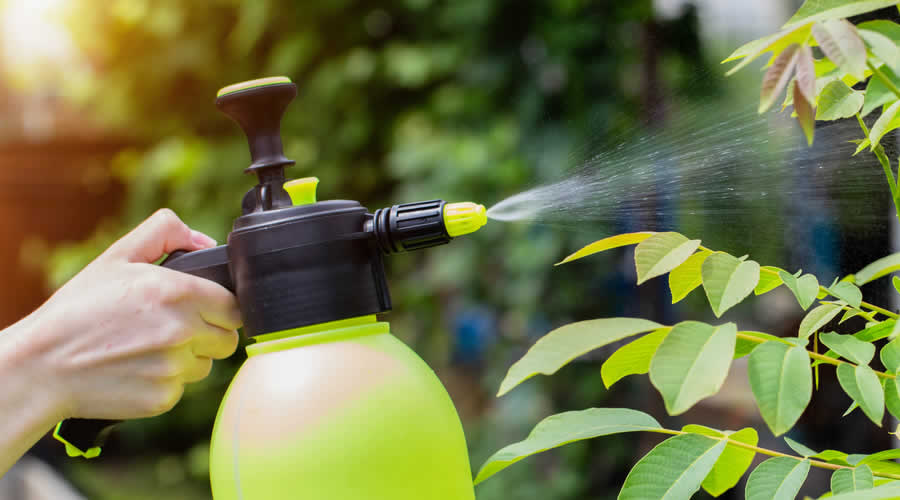
Soap Sprays for Garden Pests
In outdoor spaces, insecticidal soap sprays can help manage soft-bodied pests like aphids. These are often used in eco-conscious gardening because they target pests without causing as much damage as stronger chemical treatments.
Biological Controls | Beneficial Insects
In gardens, one of the smartest forms of green pest control is using beneficial insects. Ladybugs, lacewings, and other natural predators, for example, can help reduce harmful pest populations naturally.
In some cases, bacillus thuringiensis is used as a microbial insecticide, while beneficial nematodes can help target certain soil-dwelling pests. This supports a healthier garden system without overloading it with pesticides.
Eco-Friendly Pest Management for Specific Pest Problems
Different pests need different treatments. A one-size-fits-all method rarely works well.
Ant Control
For ants, start by cleaning up food spills and sealing pantry items. Then remove entry points and use natural repellents or bait systems designed with lower-toxicity ingredients. Wiping away scent trails is also important.
Cockroach Control
Roaches need food, water, and hiding spots. Keep sinks dry, clean behind appliances, and seal cracks. Boric acid is sometimes used in low amounts, though it still needs careful handling. Traps and sanitation are key.
Mosquito Control
Mosquitoes breed in standing water. Empty buckets, flowerpot trays, and clogged gutters. Use fans in outdoor seating areas and consider natural ingredients like citronella products where appropriate.
Rodent Control
Rodents are tough, but prevention helps a lot. Seal holes, store food securely, and remove clutter where they can nest. Humane traps are often a better eco-conscious choice than poisons, which can also harm pets and wildlife.
Bed Bug Control
Bed bugs are stubborn. Heat treatment, mattress covers, vacuuming, and targeted non-toxic solutions can help. In bigger infestations, professional eco-friendly pest control services may be the best option.
When to Call a Professional That Uses Natural Pesticides
Sometimes home methods are not enough. That does not mean you have failed. It just means the problem needs a stronger plan.
A professional pest control service with natural insecticides can help when:
- The infestation is large
- Pests keep coming back
- Dealing with termites or bed bugs
- You want a treatment plan that avoids heavy chemical use
- You need help finding hidden nesting areas
Many modern pest control companies now offer greener options. Ask what products they use, how targeted the treatment is, and what prevention steps they recommend after the visit.
How to Choose the Right Eco-Friendly Pest Control Company
Not all services are the same. Some companies use the phrase eco-friendly loosely, so it is important to ask questions.
Look for a provider that:
- Explains their methods clearly
- Uses targeted treatments instead of broad spraying
- Focuses on prevention and inspection
- Offers low-toxicity or natural options
- Has good reviews and transparent communication
You deserve a service that respects both your home and your health.
A thoughtful plan can also safeguard the places that matter most.
Benefits of Eco-Friendly Pest Control Methods
Choosing eco-friendly pest control can bring real benefits that go beyond getting rid of bugs or rodents.
A Safer Home Environment
This is often the biggest reason people make the switch. Less chemical exposure can help families feel more comfortable, especially in homes with children, pets, or sensitive individuals.
Better Long-Term Results
Green pest control often focuses on fixing the cause of the problem. That can mean fewer repeat infestations and more lasting control.
Less Impact on the Environment
Traditional pesticides can affect soil, water, and non-target species. Eco-conscious methods aim to reduce environmental impact and use a more careful approach.
More Peace of Mind
A clean, protected home feels better. When you know your pest plan is safer and smarter, that peace of mind matters.
Mistakes to Avoid
Even with the best intentions, some common mistakes can make pest infestations worse.
Do not ignore the first signs of pests. A small problem can grow quickly.
Never leave food or water sources available. Pests stay where they can survive.
Do not overuse DIY products. Too much of any treatment, even a natural one, can create new problems.
Do not rely on one method alone. Non-toxic pest control works best when you combine prevention, monitoring, and treatment.
Final Thoughts
Pest problems can feel overwhelming. No one wants to deal with ants in the kitchen, roaches in the bathroom, or mosquitoes in the yard. But you do have options, and better ones than ever before.
Eco-friendly pest control gives you a practical way to protect your home while being more mindful of your health and the environment. It starts with prevention. It grows stronger with smart habits. And when needed, professional support can help you take control without going straight to harmful chemicals.
A safer home. A cleaner space. A more thoughtful way to handle pests.
That is the value of using organic pesticides for safe pest management.
