Integrated Pest Management Guide: What You Need to Know
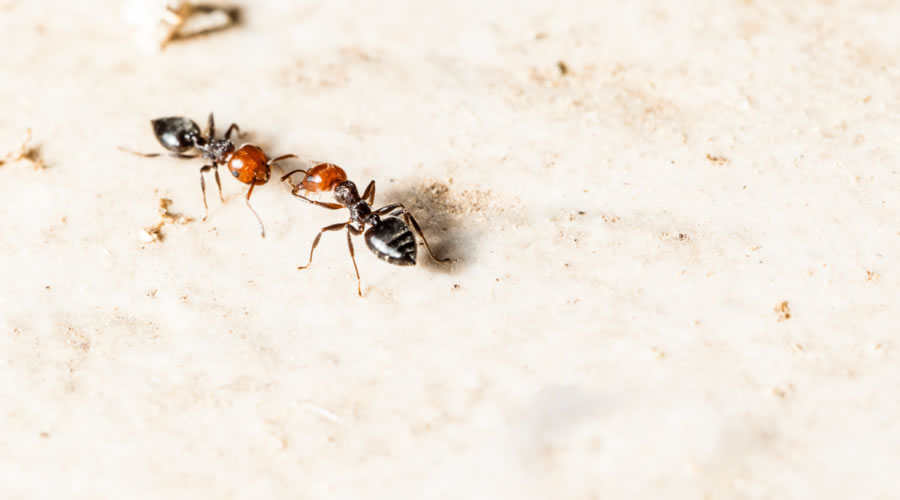
Integrated Pest Management, or IPM, is a smart way to handle pests that keeps your plants healthy and the environment safe. It’s all about combining different methods to control pests while using fewer chemicals. IPM focuses on understanding pests, watching them closely, and only taking action when necessary.
What Is Integrated Pest Management?
IPM is a flexible approach that works in farms, gardens, schools, and even cities. It uses a mix of strategies, biological, cultural, physical, and chemical, to manage pests effectively. The goal? To protect your crops and surroundings without harming beneficial insects.
The Core Principles of IPM
At the heart of IPM are four main ideas:
1. Prevention
- Prevent pests from settling in by making the area less welcoming using methods such as crop rotation, planting pest-resistant varieties, and maintaining soil health.
- Discourage pest establishment by managing the crop environment effectively to reduce pest numbers before they become a threat.
2. Monitoring
- Regularly monitor pest populations using traps, visual inspections, beat sheets, and vacuuming to accurately identify them and natural predators (good bugs help manage pests naturally).
- Measure the number of pests to detect when they reach specific action thresholds that could impact crop growth and agricultural production.
3. Decision-Making
- Decide if pest control action is necessary based on monitoring data and established thresholds to avoid the use of pesticides.
- Evaluate methods considering their effectiveness, environmental impact, and the presence of secondary pests.
4. Control
- Choose the safest and most effective pest control methods, combining biological and cultural, mechanical and physical controls (such as barriers and traps), and chemical controls when needed.
- Use selective insecticides and targeted spraying to minimise harm to beneficial organisms and nature.
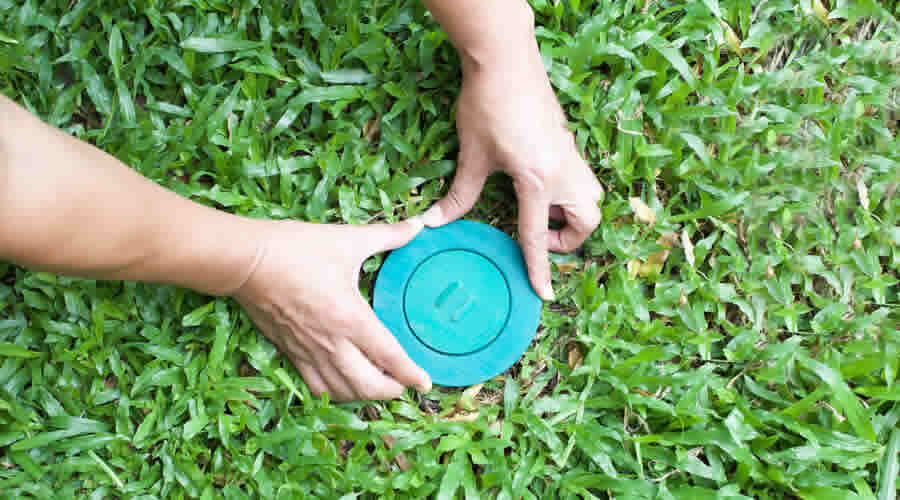
- Employ biopesticides and bait stations as part of an effective IPM program to reduce reliance on broad-spectrum chemicals.
Secondary pest management is an important aspect of IPM to prevent outbreaks caused by disrupting natural enemies. Effective IPM programs require constant evaluation and adaptation to varying degrees of pest pressure and the specific needs of different cropping industries.
Incorporating pulse IPM training and management practice programs, supported by organisations such as Plant Health Australia and the Grains Research and Development Corporation, helps farmers stay informed and improve their pest management strategies.
Understanding that pests may develop resistance to pesticides. IPM aims to reduce and delay the development of insecticide resistance by combining multiple control methods.
These IPM techniques can be applied in diverse settings, including cropping industries, home gardens, and urban green spaces, covering the entire site as needed to ensure comprehensive pest management.
How Does an IPM Program Work?
An IPM program starts with regular monitoring to identify pests correctly. This helps distinguish harmful pests from good bugs that help control them naturally. When they reach a certain level, called the action threshold, control methods kick in.
These methods range from cultural practices to biological controls such as releasing predatory insects.
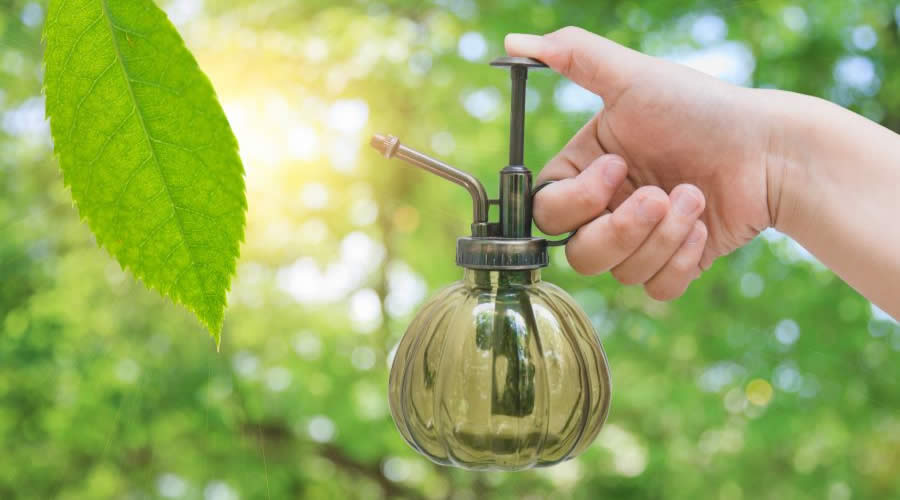
Chemicals are only used as a last resort, and even then, selective pesticides are chosen to protect the beneficial population unharmed.
1. Monitoring and Identification
Keeping an eye on pests is key. Using traps, visual checks, and other tools, you can track pest numbers and damage. This careful monitoring ensures pesticides aren’t used unnecessarily, reducing risks to human health and agriculture.
2. Prevention Through Cultural Control
It means changing the crop environment to discourage pest establishment. This includes crop rotation, planting resistant varieties, and maintaining soil health.
These methods help reduce pests before they become a threat.
3. Biological Control
It involves using natural predators and parasitic insects, often called good bugs, to control pests. These allies help control chewing and sucking insects by killing them or disrupting their breeding cycle.
Supporting these beneficial populations is a key part of sustainable pest control.
4. Physical and Mechanical Controls
Sometimes, simple barriers or traps can keep pests at bay. Physical controls like netting or mulches protect crops without chemicals.
Mechanical methods, such as tillage, can disrupt pest life cycles but should be used carefully to avoid harming soil health.
5. Chemical Control: The Last Line of Defense
When other methods aren’t enough, chemical practices come into play. IPM promotes spraying with selective pesticides only when the crop needs it, which generally means less usage.
Targeted spraying and biological pesticides help control insect pests while minimising damage to good bugs and the environment.
Why Choose Integrated Pest Management?
IPM offers many benefits. It helps maintain a stable population of helpful insects, reduces pesticide resistance, and promotes biodiversity.
Farmers using IPM often see higher quality produce with fewer chemical residues. Plus, IPM is included in many management practice programs, ensuring it’s backed by solid research and development.
Applying IPM Across Different Settings
Whether you’re managing a large farm, a home garden, or an urban green space, IPM adapts to fit your needs. It encourages careful management of the crop environment and pests, always aiming to balance effective pest control with environmental care.
Measuring Success in IPM
Success in IPM isn’t just about killing pests. It’s about reducing pest populations below damaging levels, protecting beneficial organisms, and minimising chemical use.
Keeping records and evaluating IPM practices helps refine strategies over time, making pest control smarter and more sustainable.
IPM Strategies vs. Organic and Conventional Methods
IPM is often confused with organic farming, but they’re not the same. Organic practices limit pesticide use to natural sources, while IPM uses a broader toolkit, including selective synthetic pesticides when needed.
Unlike conventional methods that may rely heavily on routine spraying, IPM promotes using the least harmful options only when necessary.
Getting Started with Integrated Pest Management Techniques
To start with IPM, begin by learning about the specific pests in your area and setting clear action thresholds. Combine cultural, biological, physical, and chemical methods thoughtfully. Use decision-support tools and seek advice from extension services when needed.
Remember, IPM is a continuous process that needs constant evaluation and adjustment.
Conclusion
Integrated Pest Management is a balanced, evidence-based approach that protects your crops, supports beneficial insects, and reduces chemical use.
By understanding and managing pests carefully, IPM helps create healthier farms, gardens, and communities.
Embracing IPM means choosing smarter, safer pest control for today and the future.
For More Information
- Plant Health Australia: https://www.planthealthaustralia.com.au/
- Grains Research and Development Corporation: https://grdc.com.au/
- Pulse Australia IPM Training: https://www.pulseaus.com.au/
- Australian Oilseeds Federation: https://www.australianoilseeds.com/
- US EPA Integrated Pest Management Principles: https://www.epa.gov/safepestcontrol/integrated-pest-management-ipm-principles
- University of California Statewide IPM Program: https://ipm.ucanr.edu/what-is-ipm

Leave A Comment
You must be logged in to post a comment.