
Understanding the Dangers of DIY Pest Control
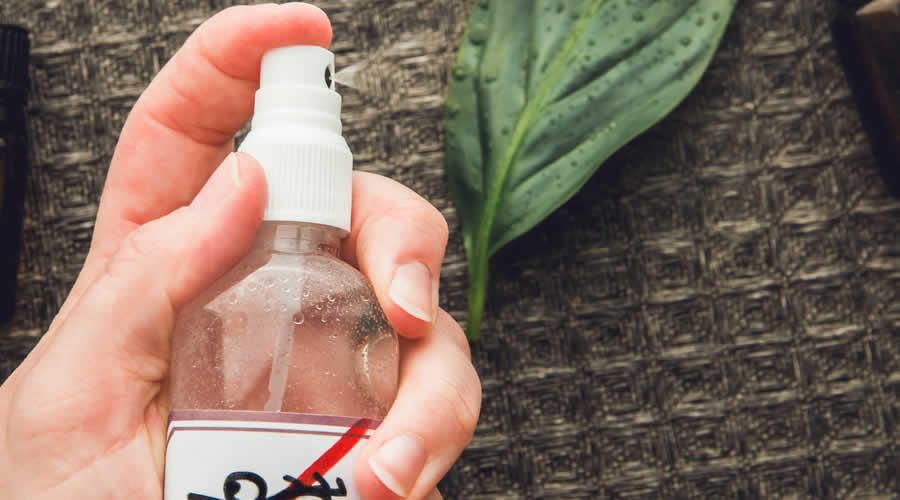
DIY pest control might seem like an easy and cheap way to get rid of bugs and pests in your home. But it can actually cause more problems than it solves. Using the wrong products or applying them incorrectly can hurt your health, make pest infestations worse, and harm the environment.
Overview: Hidden Dangers of DIY Pest Control
Many store-bought pest control products only kill the bugs you see, like ants or cockroaches running around. But they often miss the hidden nests, eggs, or colonies where pests live and breed. Also, chemicals from these products can stay on your floors, furniture, and walls for a long time, contaminating the air you breathe inside your home. Using these chemicals the wrong way can cause new problems that need professional help to fix.
Common DIY Pest Control Products and Their Limits
You can find sprays, powders, baits, and traps at the store, but these usually contain broad toxins and harmful chemicals that can hurt helpful insects like bees and ladybugs, as well as pets and people. These products are made for quick, surface-level fixes and don’t have the strength or special tools that professional pest controllers use to fully get rid of pests.
Why DIY Solutions Often Fail: Ineffective Treatments Explained
Most DIY treatments only kill the pests you can see. They don’t reach the nests or eggs hidden in walls or under floors. Using too little or too much of a product can cause pests to become resistant, meaning the chemicals won’t work next time. If you don’t find the root cause of the infestation, like cracks in walls, entry points, or moisture issues, the pests will just come back.
Misidentifying Pests: DIY Pest Errors
Sometimes, people mistake one pest for another. For example, termites look like ants but need special treatments. Treating the wrong pest with the wrong product won’t fix the problem and can make it worse.
Resistance and Reinfestation After DIY Attempts
When pests survive partial treatments, they can spread to new areas or breed faster. Cockroaches and other pests have become resistant to many store-bought chemicals, making DIY methods less effective over time.
Health Risks From Too Much Chemical Exposure
Using DIY pest control products can cause health problems. Breathing in toxic chemicals can lead to coughing, skin rashes, dizziness, respiratory problems, or worse. Children and pets are especially at risk because they are smaller and more sensitive. Mixing different chemicals can create dangerous toxic fumes that can poison your whole family.
Contamination, Children, and Pets
Pesticide residues can stick around on carpets, beds, and kitchen counters long after you spray. If you don’t store or throw away these products properly, accidents can happen. Many people don’t wear protective equipment like gloves or masks, which increases the chance of exposure and allergic reactions.
Bed Bugs and Other High-Risk Pests Where DIY Backfires
Some pests are very hard to get rid of with DIY methods. Bed bugs hide in tiny cracks in furniture, making sprays almost useless. Trying to kill rodents yourself can leave dead animals inside walls, causing bad smells and health hazards. Disturbing wasp or bee nests without the right skills can lead to painful stings and dangerous situations.
Environmental Impact of DIY Pesticides
When you use too much pesticide or throw containers away incorrectly, chemicals can leak into the soil and contaminate water sources. This hurts fish, plants, and helpful insects that keep nature balanced. Killing beneficial bugs like bees can also harm gardens and crops, leading to long-term effects on wildlife and ecosystems.
Legal, Financial, and Property Damage Risks
Some pesticides are only allowed to be used by licensed professionals. Using banned chemicals can lead to fines or legal trouble. If you don’t treat pests like termites properly, they can cause serious structural damage to your home, leading to costly repairs. Also, if your DIY chemicals drift onto neighbors’ property or public areas, you could be responsible for cleanup costs.
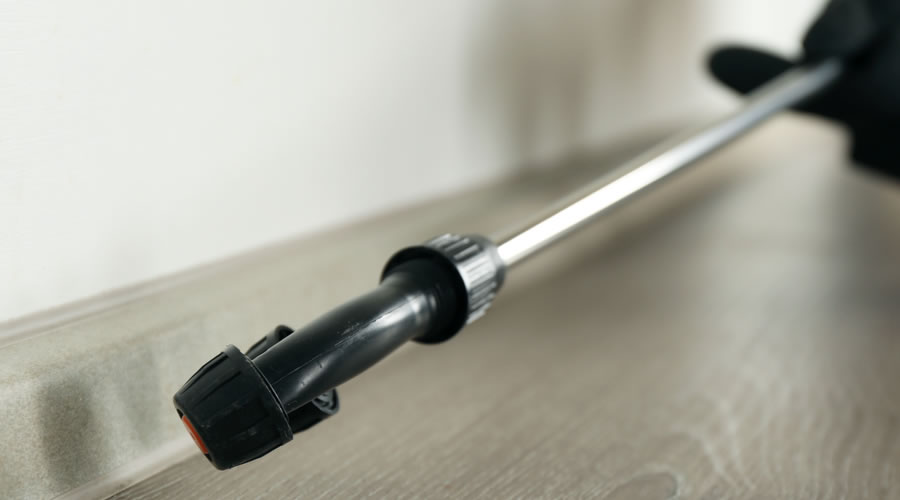
Safer DIY Solutions and Preventive Measures
There are some safe pest control methods you can do yourself to prevent pests. Seal cracks and holes where bugs enter, fix leaks to reduce moisture, and keep your home clean. Sticky traps and bait stations can help with small problems. Always follow product instructions carefully, keep kids and pets away from treated areas, and dispose of products properly.
What To Do After Failed DIY Treatments
If your DIY efforts don’t work, stop using more chemicals. Write down what products you used and when so professionals can plan the right treatment. Open windows to air out your home if it’s safe. Then call a licensed pest control expert to inspect your home and provide a safe, effective treatment with comprehensive solutions to get rid of pests for good.
Conclusion: Weighing the Potential Risks of DIY Pest Management
DIY pest control might seem like a quick fix, but it often causes more harm than good. It can put your family’s health at risk, damage the environment, and cost more money in the long run. For serious pest problems or high-risk pests like bed bugs and termites, it’s best to call professional pest control services. They have the expert knowledge, trained technicians, and safe methods to protect your home and family, giving you peace of mind. Choose safety and effectiveness, leave pest control to the experts.
